Introduction
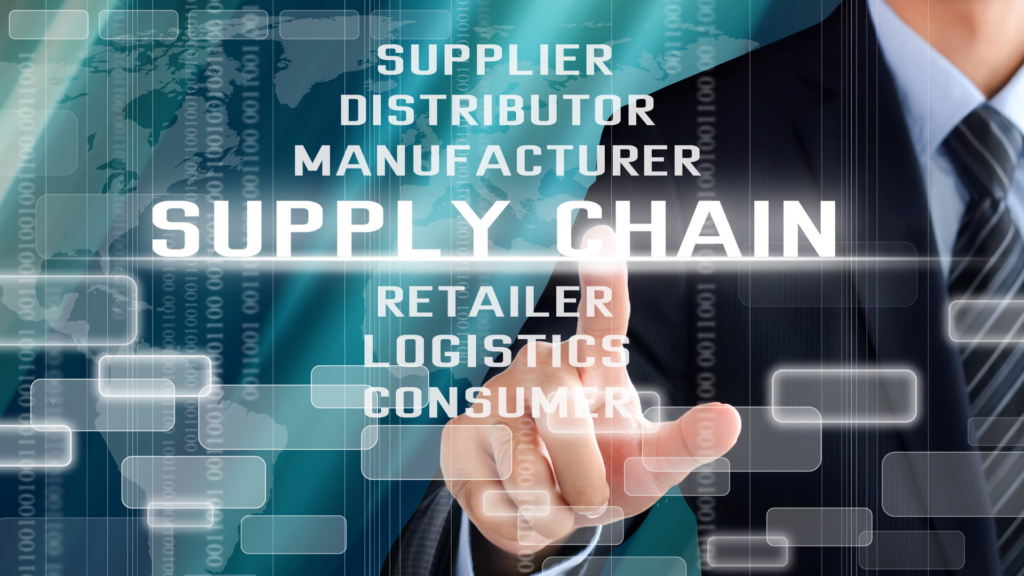
Supply chains have become more intricate than ever. Global sourcing, volatile demand, and unpredictable disruptions—each introduce opacity and fragility. Organizations require more than reactive tools. They need a control tower: a centralized nerve center of data, insight, and decision-making that catalyzes visibility and bolsters resilience.
A control tower isn’t merely a dashboard. It’s a strategic architecture—integrating multiple systems, analyzing real-time inputs, and enabling proactive responses to disruptions.
What Is a Supply Chain Control Tower
A supply chain control tower is a multi-layered platform that aggregates data from across the entire chain—suppliers, transport, warehouses, production, and customers. It visualizes status (inventory levels, shipments, lead times), flags anomalies, and facilitates orchestration.
Its core components include:
Data integration pipelines
from ERP, transportation management, warehouse management, and third-party logistics.
Real-time monitoring and alerting
with anomaly detection and exception management.
Predictive analytics
to forecast delays, demand spikes, or supply shortages.
Decision support systems
that suggest mitigations—rerouting shipments, shifting production, adjusting inventory buffers.
Why Visibility Matters
Visibility is the precondition for reliability. Without a granular view of upstream and downstream operations, it’s impossible to anticipate risk or optimize flow.
Key benefits of high visibility:
- Reduced lead time variability, enabling tighter promised-delivery windows.
- Better risk awareness, such as supplier disruptions or transport delays.
- Enhanced customer satisfaction, through reliable order status and transparent communication.
- Lower inventory carrying costs, by reducing safety stocks due to uncertainty.
Building Resilience through Control Towers
Resilience arises when the supply chain isn’t merely visible, but adaptive. A control tower enhances resilience in the following ways:
- Early warning systems: Predictive signals of supplier failure, port congestion or raw material shortages.
- Scenario modeling: What-if simulations allow trade-offs—cost vs time; stock vs flexibility.
- Rapid response workflows: Automated notifications, rerouting logic, and contingency sourcing.
- Collaborative visibility: Sharing data with suppliers, shippers, and customers to synchronize responses.
Use Cases of Control Towers in Practice
End-to-End Shipment Monitoring
Tracking shipments from origin to destination, visualizing every leg, and detecting deviations—e.g. delay at customs, daylight hours missed, temperature excursions for perishables.
Supplier Risk Management
Control towers compile supplier performance metrics—on time, quality, capacity—and combine with external data (weather, geopolitical risk) to anticipate supply constraints.
Demand Surge Response
During spikes (holiday seasons, pandemics, product launches), the control tower helps reallocate inventory, adjust transport modes (air vs ocean), and signal production ramp-ups.
Inventory Optimization Across Nodes
Dynamically adjusting buffer levels at regional warehouses, consolidating shipments, and reducing redundant safety stock across multiple locations.
Challenges to Implementing Control Towers
- Data Fragmentation: Systems are siloed, standards differ, real-time feeds are missing. Integration is complex.
- Data Quality Issues: Inaccurate or incomplete data can misinform decisions—incorrect lead-time estimates, missing status updates.
- Organizational Silos & Change Management: Teams accustomed to separate functions—procurement, logistics, operations—must collaborate more tightly. Resistance is common.
- Cost & Technology Investment: Establishing real-time pipelines, analytics platforms, and infrastructural visibility demands capital and skilled personnel.
- Security and Compliance: Sensitive data (supplier contracts, transport routes) must be protected. Regulatory constraints may apply across jurisdictions.
Best Practices for Effective Control Towers
- Start with pilot projects—perhaps for one product line or transport route—to validate data sources, response workflows, and ROI.
- Build robust data architecture: IoT sensors, system integrations, clean master data. Accuracy matters more than volume.
- Establish governance frameworks: define roles, responsibility for alerts, escalation paths, decisions.
- Incorporate machine learning and predictive models but keep human oversight. Automated suggestions are powerful—but accountability must reside with people.
- Ensure partner collaboration: extend visibility upstream and downstream, with suppliers and carriers, for collective responsiveness.
Conclusion
Supply chain control towers are no longer optional. They represent the architecture of the resilient future—where visibility, agility, and proactivity are built into every link. Companies that adopt them correctly will convert potential disruption into competitive advantage. The difference between surviving and thriving lies in seeing clearly—and acting swiftly.